Creation of Works Council

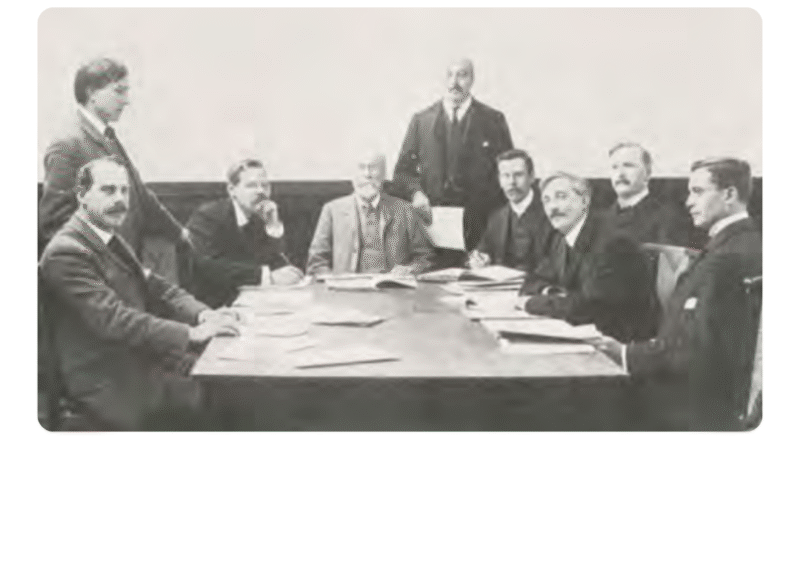
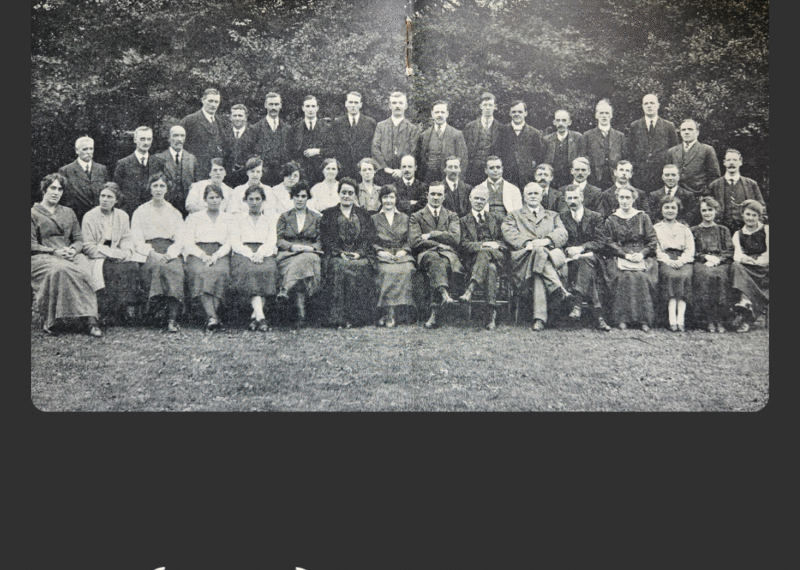
Works Councils consisting of a Central Council and Departmental Councils were established at the Cocoa Works in 1919 with both staff and management representatives. A branch of the National Union of General Workers was formally established at the factory in 1917. The Rowntrees wished to deal fairly with employees but there was some initial scepticism regarding the role of trade unions in representing the interests of working people, a view which was shared by Joseph. The objectives of the Works Councils were to ensure full utilisation of all practical knowledge; to deal with issues quickly and find a just resolution; and to raise the status of workers. In line with the Rowntree approach of offering opportunities to women as well as men, the works councils included female membership with voting rights.
Support Us

Our work is enabled by grant funding from the Joseph Rowntree Foundation, the Joseph Rowntree Charitable Trust, and the Joseph Rowntree Reform Trust. If you would like to make a financial donation to further support our work, it is easy to pay online (with or without Gift Aid) by clicking the link below. You can get in touch with us about other ways of giving via info@rowntreesociety.org.uk

Donate

Company doctor and dentist

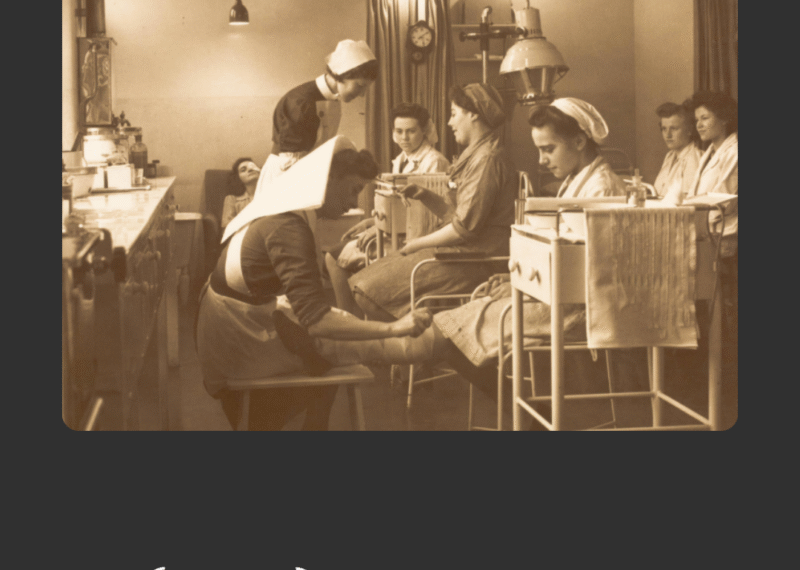
Rowntrees were also keen to ensure that their workers were in good health, believing that their company would be most successful if staffed by workers who were physically fit . In 1904 a doctor was employed to offer free advice to all employees. This innovation was followed by a dentist department with a resident dentist. There was a strict screening process on eyesight, dental hygiene and personal cleanliness relative to factory jobs from the point at which workers were hired. A psychologist was also employed and social workers appointed to oversee the general well-being of the workers. This latter innovation began when large numbers of girls started working at the factory from the age of 14 and Joseph felt that they needed a female figure of authority to look up to. In a pioneering move he appointed a woman experienced in the social activities of the Adult School movement to be a welfare worker.

Image: From originals held at the Borthwick Institute for Archives.

Support Us

Our work is enabled by grant funding from the Joseph Rowntree Foundation, the Joseph Rowntree Charitable Trust, and the Joseph Rowntree Reform Trust. If you would like to make a financial donation to further support our work, it is easy to pay online (with or without Gift Aid) by clicking the link below. You can get in touch with us about other ways of giving via info@rowntreesociety.org.uk

Donate

Joseph Rowntree Theatre

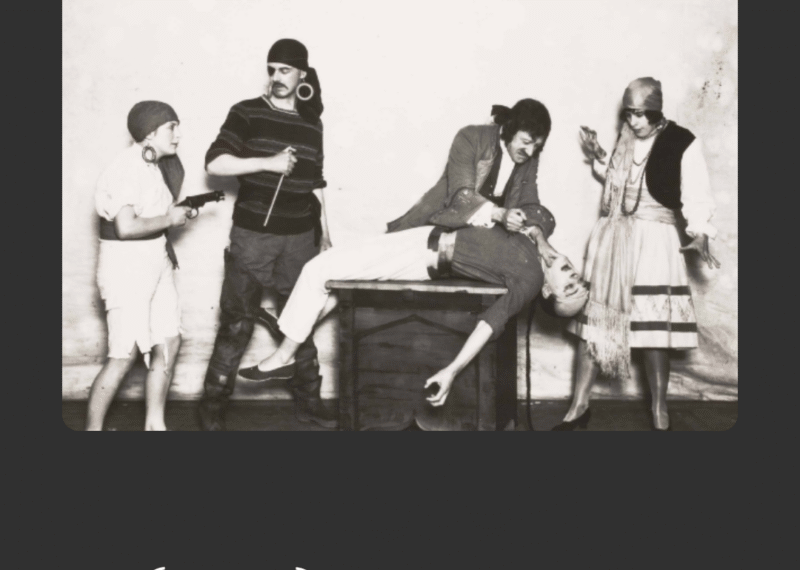
Joseph Rowntree Theatre was designed by the architect Barry Parker (who, with Raymond Unwin, designed New Earswick) and built in 1935. It was commissioned by the Joseph Rowntree Village Trust for the workers of the Cocoa Works factory and stands opposite the original factory building. Peter Rowntree (son of Seebohm Rowntree) worked with the architects to ensure that the theatre was as well equipped as any at that time. The new Art Deco building provided a home for The Rowntree Players amateur theatre group which had been formed in 1912 and continued the tradition of established theatre as a recreational activity within the Rowntree community, including at the Folk Hall in New Earswick. Still active today and still the home of The Rowntree Players, the Joseph Rowntree Theatre Limited became a registered charity in 2003.

Image: From originals held at the Borthwick Institute for Archives.

Support Us

Our work is enabled by grant funding from the Joseph Rowntree Foundation, the Joseph Rowntree Charitable Trust, and the Joseph Rowntree Reform Trust. If you would like to make a financial donation to further support our work, it is easy to pay online (with or without Gift Aid) by clicking the link below. You can get in touch with us about other ways of giving via info@rowntreesociety.org.uk

Donate

After hours activities

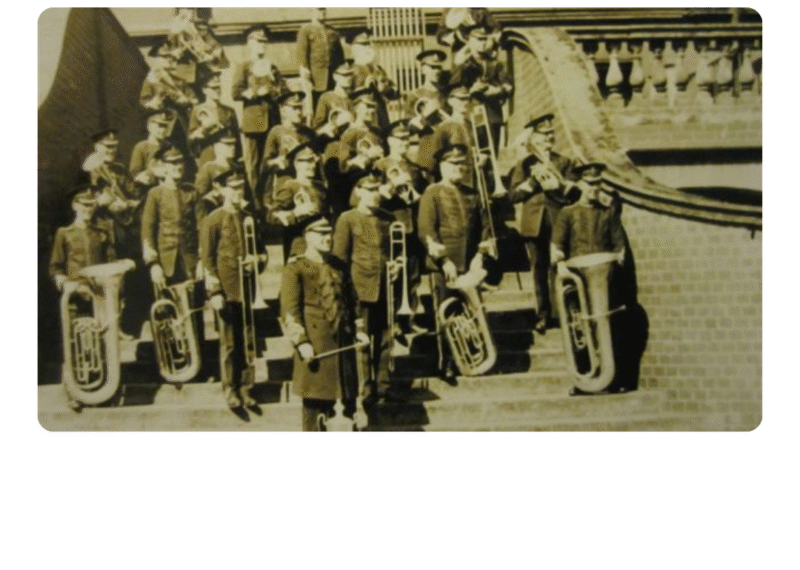
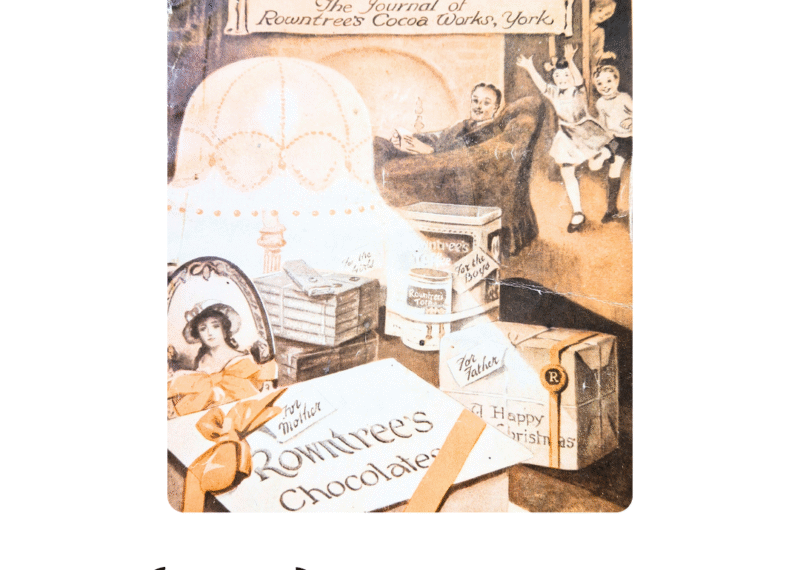
By 1898 all of Rowntree’s production had moved to the new Cocoa Works factory and Joseph focused his attention on improving the overall lives of his workers. Influenced by the emphasis placed on leisure activities during his schooldays and Quaker beliefs regarding the importance of education and welfare, facilities for recreational and educational activities were provided at the factory complex. A busy social scene developed created by a range of after-hours activities for all interests. These included singing classes, football and cricket teams and book appreciation societies. The Cocoa Works had its own brass band and it’s own theatre company – The Rowntree Players. Many of these activities featured regularly in the Cocoa Works Magazine.

Support Us

Our work is enabled by grant funding from the Joseph Rowntree Foundation, the Joseph Rowntree Charitable Trust, and the Joseph Rowntree Reform Trust. If you would like to make a financial donation to further support our work, it is easy to pay online (with or without Gift Aid) by clicking the link below. You can get in touch with us about other ways of giving via info@rowntreesociety.org.uk

Donate

8 hour day and 5 day working week

Seebohm Rowntree became the company’s first director of labour and developed his father’s belief that improved worker welfare constituted a moral good into a methodology for promoting greater industrial efficiency. An eight hour day was introduced in 1896 and a five day (44 hour) working week in 1919.


Support Us

Our work is enabled by grant funding from the Joseph Rowntree Foundation, the Joseph Rowntree Charitable Trust, and the Joseph Rowntree Reform Trust. If you would like to make a financial donation to further support our work, it is easy to pay online (with or without Gift Aid) by clicking the link below. You can get in touch with us about other ways of giving via info@rowntreesociety.org.uk

Donate

Profit Sharing Scheme

Joseph argued for a profit sharing scheme for some time and it was finally introduced by the company in 1923. This was one of the last of Joseph’s worker reforms. In his Christmas letter in the December 1922 edition of the Cocoa Works Magazine he wrote: “I am glad that the past year has witnessed the adoption by the Central Works Council of a Profit-Sharing Scheme. The fact that all over eighteen years of age will become interested in the financial results of each year’s trading should form one more bond in the close union between all those who contribute to the success of our undertaking.” In practice the scheme proved not to be not useful due to Rowntrees low profits during the period following its introduction and a period of acute trade depression.

Support Us

Our work is enabled by grant funding from the Joseph Rowntree Foundation, the Joseph Rowntree Charitable Trust, and the Joseph Rowntree Reform Trust. If you would like to make a financial donation to further support our work, it is easy to pay online (with or without Gift Aid) by clicking the link below. You can get in touch with us about other ways of giving via info@rowntreesociety.org.uk

Donate

Pension Fund

The Rowntree Board instituted a pension scheme in 1906. A considerable sum was required to start the fund to ensure it was on a solvent basis and Joseph personally contributed £10.000. Today, this is the equivalent of around £800,000 – a considerable amount of money which demonstrates Joseph’s care for his employees and his generosity towards others. 98% of employees joined in the first year. In setting up this fund he ensured that one of the great fears of old age – destitution – had been removed from thousands of workers. The plight of widows of men who died in service during the First World War led to provision being made for them in 1917, and this was later extended to include provision for women of 50 and upwards. In the Cocoa Works Magazine Joseph wrote: – “….I should like to say that I am very glad that it has been possible to inaugurate this fund for the widows of our employees during my lifetime. I have taken great interest in the creation of the fund, and in the solution of the complicated and difficult problems that arose in connection with it. I sincerely trust that it may be of real benefit to those for whom it is being founded.” November 12th , 1917.


Image from originals held at the Borthwick Institute for Archives.

Support Us

Our work is enabled by grant funding from the Joseph Rowntree Foundation, the Joseph Rowntree Charitable Trust, and the Joseph Rowntree Reform Trust. If you would like to make a financial donation to further support our work, it is easy to pay online (with or without Gift Aid) by clicking the link below. You can get in touch with us about other ways of giving via info@rowntreesociety.org.uk

Donate

York Gala Balloon

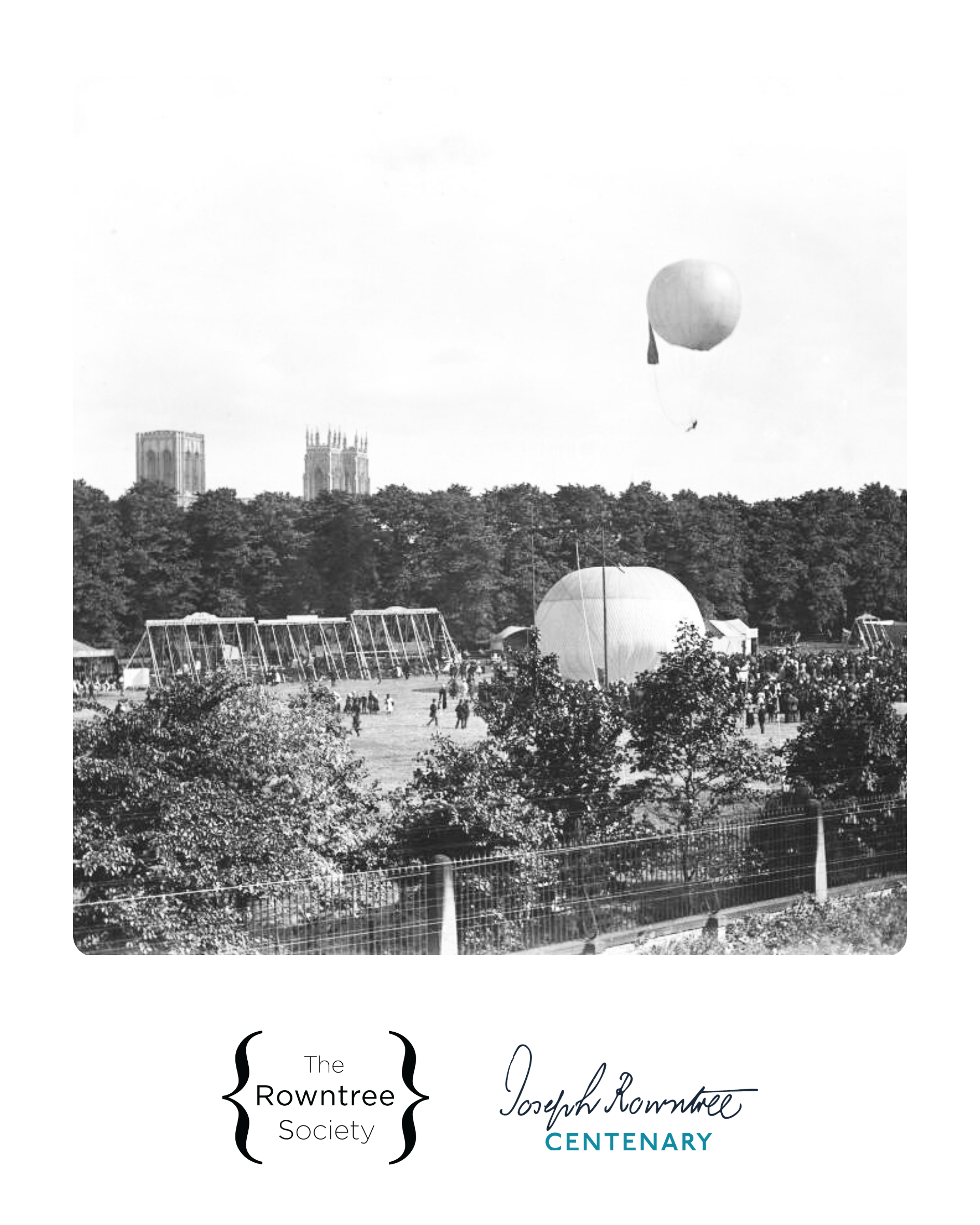
Joseph had a calm temperament and a kind attitude towards others. Guided by his Quaker faith he treated others as equals and encouraged them to address him by his first name. The memorial issue of the Cocoa Works Magazine describes an occasion when he discovered a large number of staff on the roof of the factory waiting for the balloon to go up on York Gala Day. He saw the humour of the situation saying “If the overlookers overlook it, I shall overlook it!

Image: York Explore


Support Us

Our work is enabled by grant funding from the Joseph Rowntree Foundation, the Joseph Rowntree Charitable Trust, and the Joseph Rowntree Reform Trust. If you would like to make a financial donation to further support our work, it is easy to pay online (with or without Gift Aid) by clicking the link below. You can get in touch with us about other ways of giving via info@rowntreesociety.org.uk

Donate

Liveable Wage

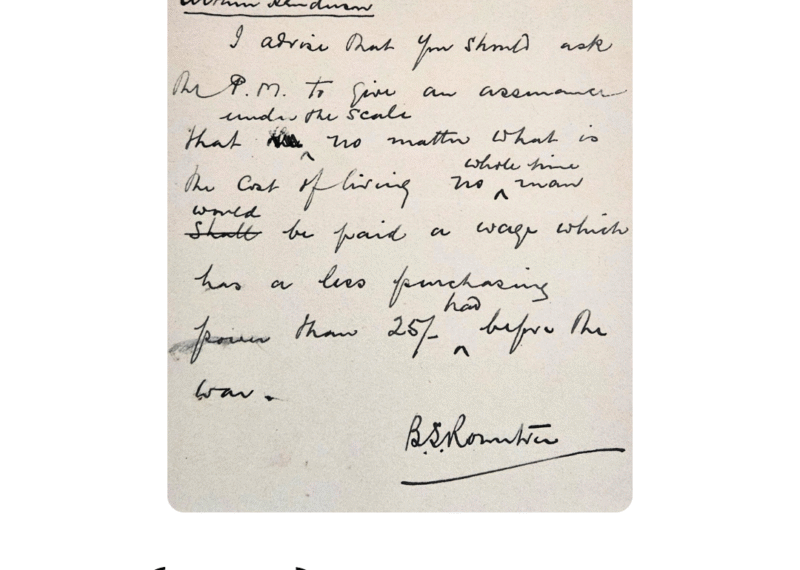
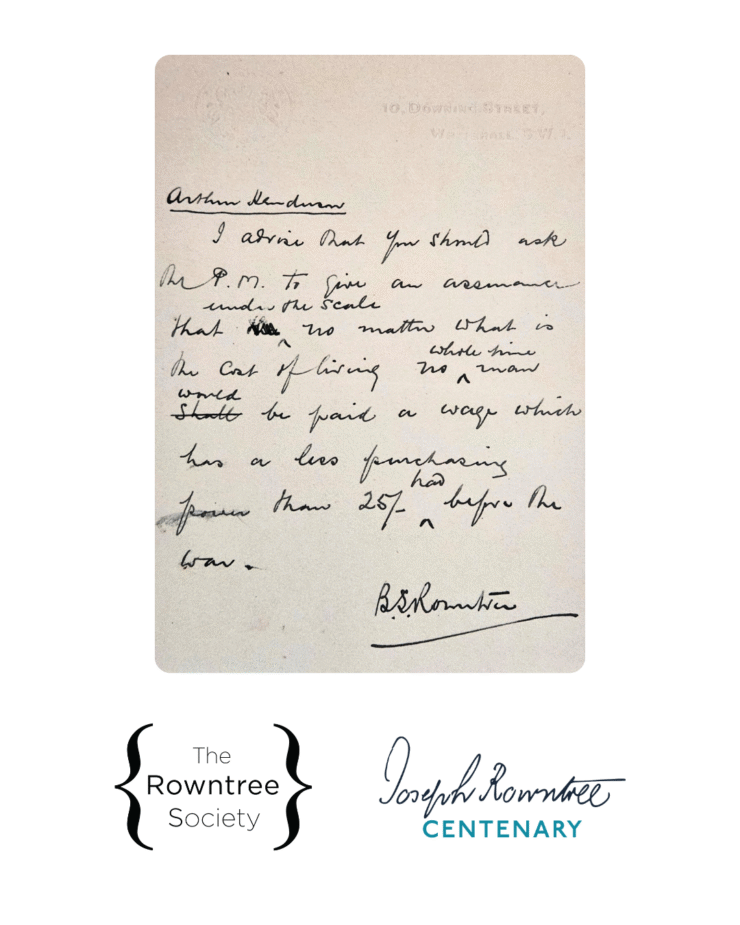
Seebohm Rowntree’s Quaker upbringing and poverty studies led him to believe that low wages were not helpful to the national economy and made it difficult for workers to maintain decent standards of humanity. As an adviser in Lloyd George’s wartime government he argued strongly for a national minimum wage in England which would enable people to live at a reasonable standard. Seebohm’s research focused very much on how much was required for people to live on and under both Joseph’s and his leadership the company offered attractive working conditions and welfare benefits. These were available to both male and female employees but, despite forming the majority of the workforce, women were paid less and had fewer privileges.


Support Us

Our work is enabled by grant funding from the Joseph Rowntree Foundation, the Joseph Rowntree Charitable Trust, and the Joseph Rowntree Reform Trust. If you would like to make a financial donation to further support our work, it is easy to pay online (with or without Gift Aid) by clicking the link below. You can get in touch with us about other ways of giving via info@rowntreesociety.org.uk

Donate

Joseph’s Christmas Letters of Greeting

From 1902 to 1923 Joseph never failed to to send a Christmas letter of greeting to his co-workers in the Cocoa Works Magazine. In 1923 he wrote “In the wider world there is an increasing recognition that after all mankind is one and that which hurts one country ultimately hurts all. In our own little world here I think we have been realising more and more clearly that the things which unite us are greater than the things which divide. We have been increasingly conscious that the interests of each individual and each grade are bound up with the success of the whole, and in working together towards that end we have learned to know each other better and to respect each other more.


Support Us

Our work is enabled by grant funding from the Joseph Rowntree Foundation, the Joseph Rowntree Charitable Trust, and the Joseph Rowntree Reform Trust. If you would like to make a financial donation to further support our work, it is easy to pay online (with or without Gift Aid) by clicking the link below. You can get in touch with us about other ways of giving via info@rowntreesociety.org.uk

Donate