Allotments Movement
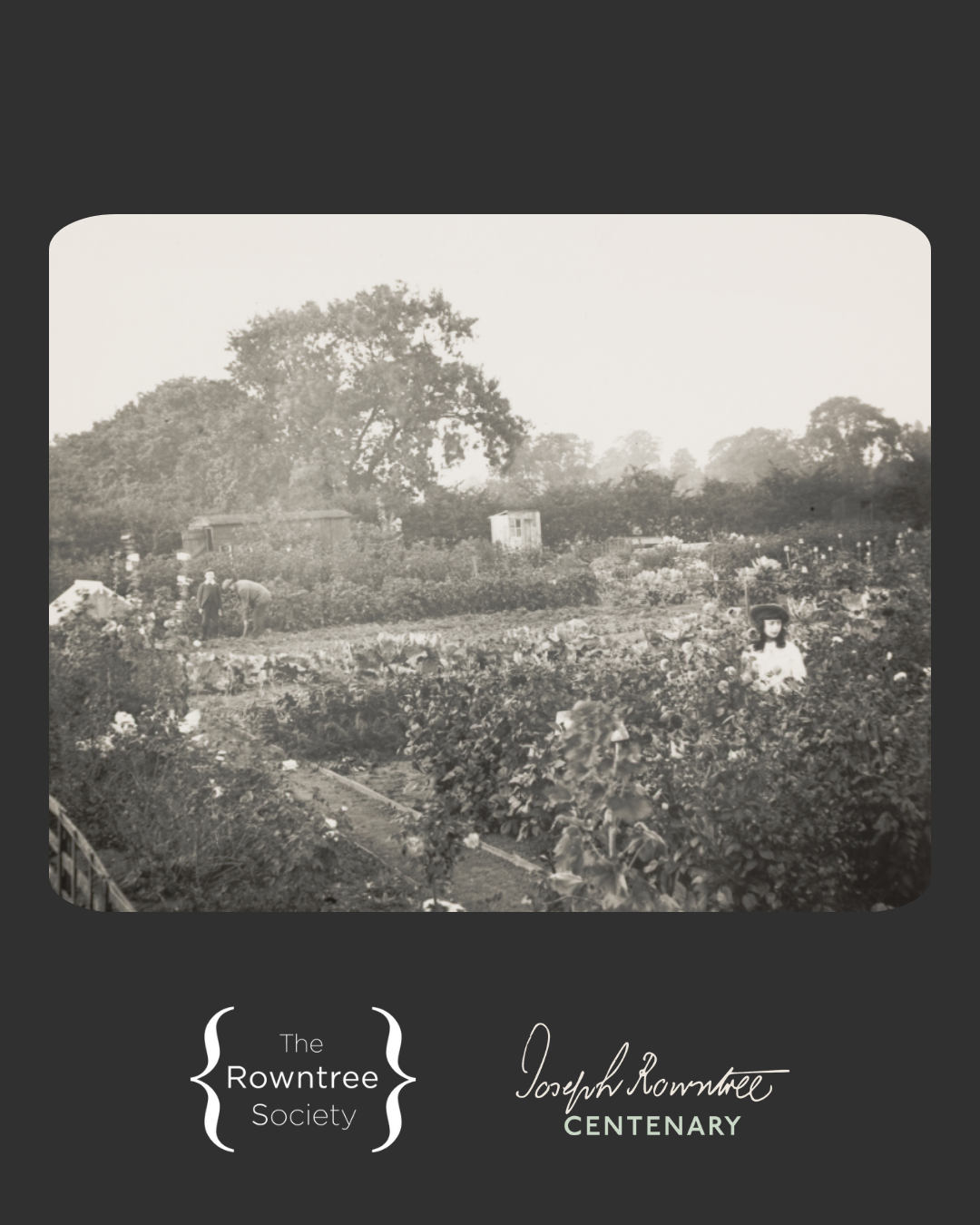
By the end of the nineteenth century providing space for allotments was known to be an effective way to tackle poverty. Allotmenteering was viewed positively by the upper classes as a form of ‘self-help’ rather than charity. Many landholders gifted land for this purpose. The Rowntrees followed this approach; generous provision for allotment land was made in their plans for New Earswick. The outbreak of the First World War brought new impetus as Britain was heavily dependent on food imports. The Rowntrees realised the implications of potential shortages and increased the amount of space available for allotments. In 1917 they also permitted women to become allotment holders, a progressive step which recognised the reality for many York families whose men were away fighting. At the end of the war more space was made available for soldiers returning so that they and female staff would not be competing. Other landowners, however, decided to reclaim the space that had been requisitioned during the war. Concerns about the impact of climate change, food provenance and security and interest in organic produce has led to the revival of interest in allotments since the 1990s and the National Allotments Society continues to represent the interests of UK allotment holders today.