Northern Echo, Westminster Press, The Nation

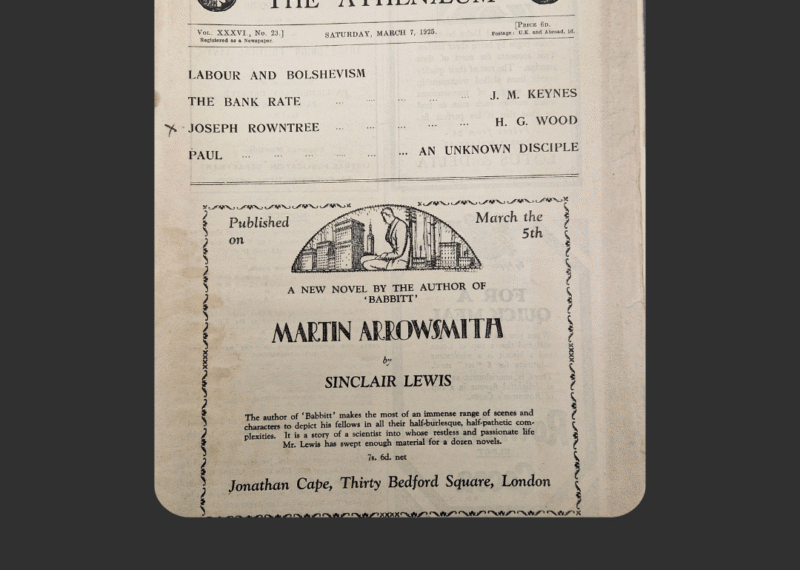
Joseph’s concern about journalistic standards led to the Rowntree’s acquiring newspapers, primarily through the Social Services Trust. Arnold, Joseph’s nephew, led the Rowntree family foray into newspaper ownership. Their objective was not to establish profit making enterprises but to give a voice to a more Liberal point of view: to create opportunities for influence; and to address concerns about journalistic standards. Arnold became chairman of the Northern Echo, Sheffield Independent and Yorkshire Gazette, regional papers which campaigned on social reform, local government and housing conditions. This group evolved into the Westminster Press. Arnold was one of the group of Liberals who founded The Nation, a small but influential and respected publication which later merged with the New Statesman. Huge losses on two national newspapers owned by the Rowntrees meant that they were quickly sold.

Image: From originals held at the Borthwick Institute for Archives.

Support Us

Our work is enabled by grant funding from the Joseph Rowntree Foundation, the Joseph Rowntree Charitable Trust, and the Joseph Rowntree Reform Trust. If you would like to make a financial donation to further support our work, it is easy to pay online (with or without Gift Aid) by clicking the link below. You can get in touch with us about other ways of giving via info@rowntreesociety.org.uk

Donate

Joseph’s attitude to newspaper ownership

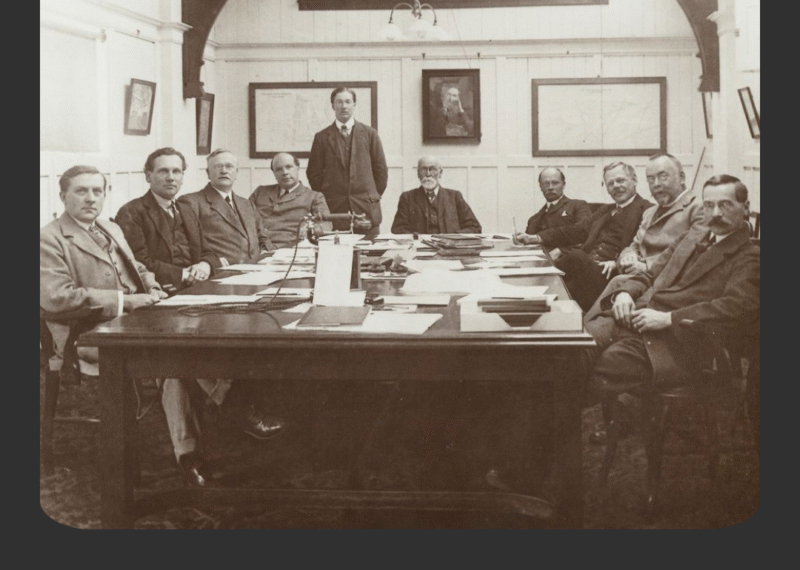
“Perhaps the greatest danger of our national life arises from the power of selfish and unscrupulous wealth which influences public opinion largely through the press (e.g. the Opium and Drink traffic, and the South African War). If the funds permitted, and the Directors of the Social Services Trust were equal to the task, it would be quite in accordance with my wish that they should control, by purchase or otherwise, a newspaper or newspapers, conducting them not with a primary view to profit but with the object of influencing public thought in right channels.” Joseph Rowntree, The Founder’s Memorandum, 1904, on the potential remit of the Social Services Trust.

Image: From originals held at the Borthwick Institute for Archives.
Support Us

Our work is enabled by grant funding from the Joseph Rowntree Foundation, the Joseph Rowntree Charitable Trust, and the Joseph Rowntree Reform Trust. If you would like to make a financial donation to further support our work, it is easy to pay online (with or without Gift Aid) by clicking the link below. You can get in touch with us about other ways of giving via info@rowntreesociety.org.uk

Donate

Joseph Rowntree Theatre

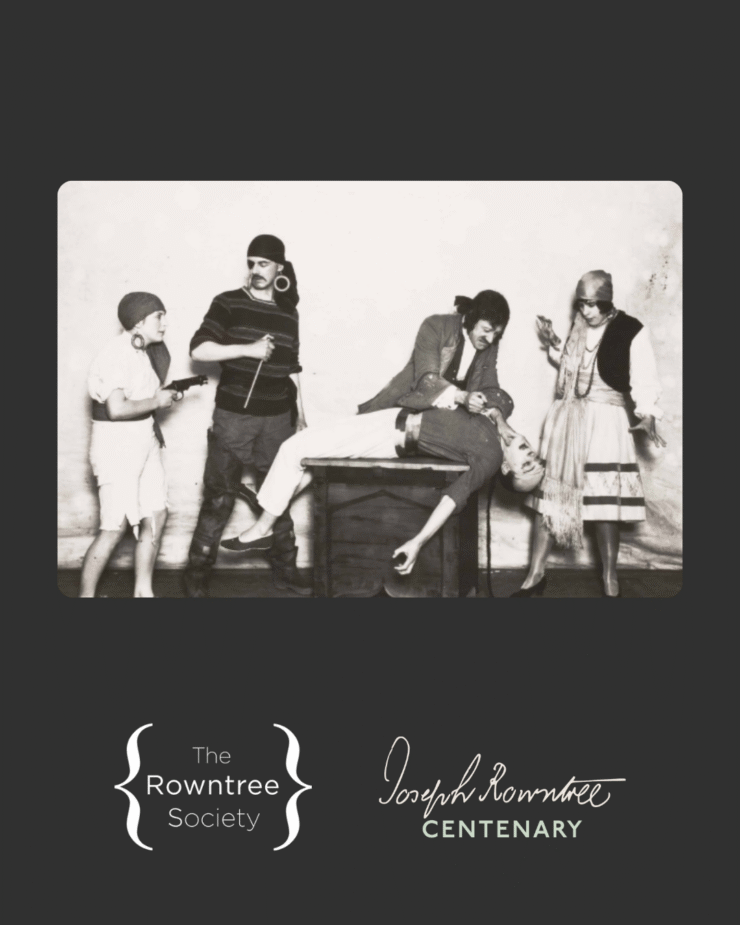
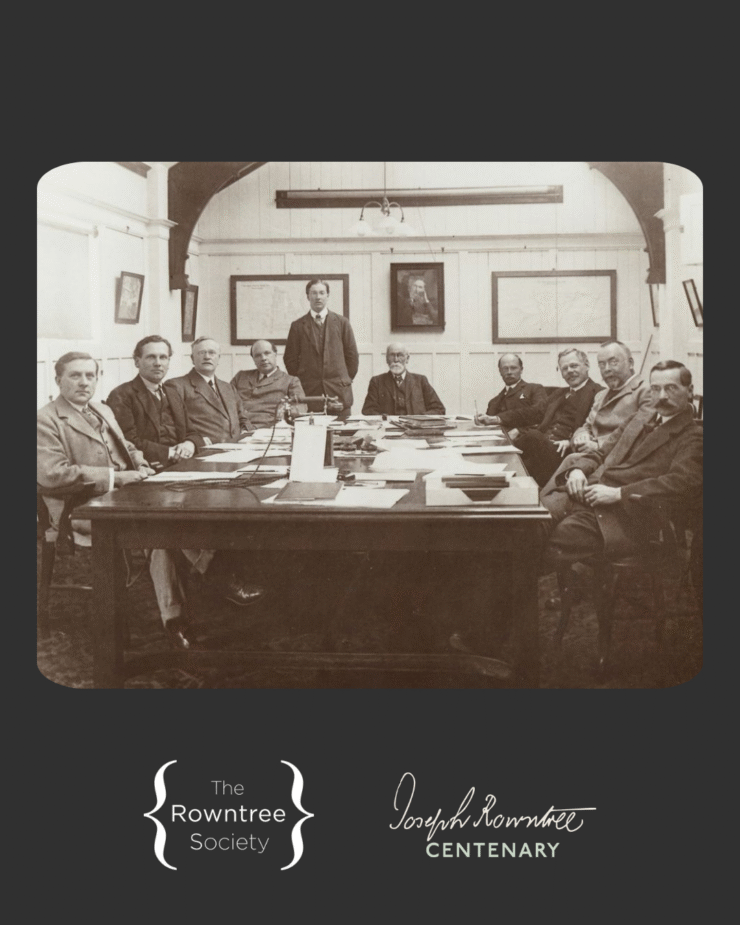
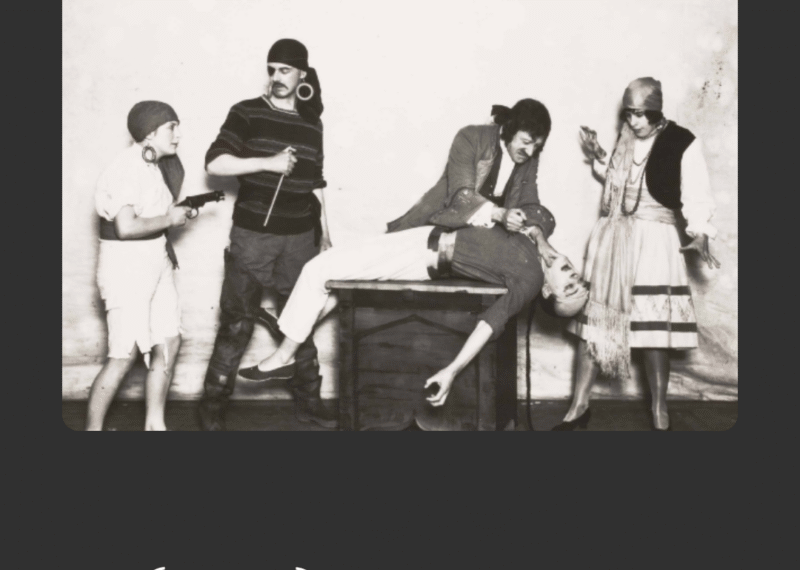
Joseph Rowntree Theatre was designed by the architect Barry Parker (who, with Raymond Unwin, designed New Earswick) and built in 1935. It was commissioned by the Joseph Rowntree Village Trust for the workers of the Cocoa Works factory and stands opposite the original factory building. Peter Rowntree (son of Seebohm Rowntree) worked with the architects to ensure that the theatre was as well equipped as any at that time. The new Art Deco building provided a home for The Rowntree Players amateur theatre group which had been formed in 1912 and continued the tradition of established theatre as a recreational activity within the Rowntree community, including at the Folk Hall in New Earswick. Still active today and still the home of The Rowntree Players, the Joseph Rowntree Theatre Limited became a registered charity in 2003.

Image: From originals held at the Borthwick Institute for Archives.
Support Us

Our work is enabled by grant funding from the Joseph Rowntree Foundation, the Joseph Rowntree Charitable Trust, and the Joseph Rowntree Reform Trust. If you would like to make a financial donation to further support our work, it is easy to pay online (with or without Gift Aid) by clicking the link below. You can get in touch with us about other ways of giving via info@rowntreesociety.org.uk

Donate

York Gala Balloon

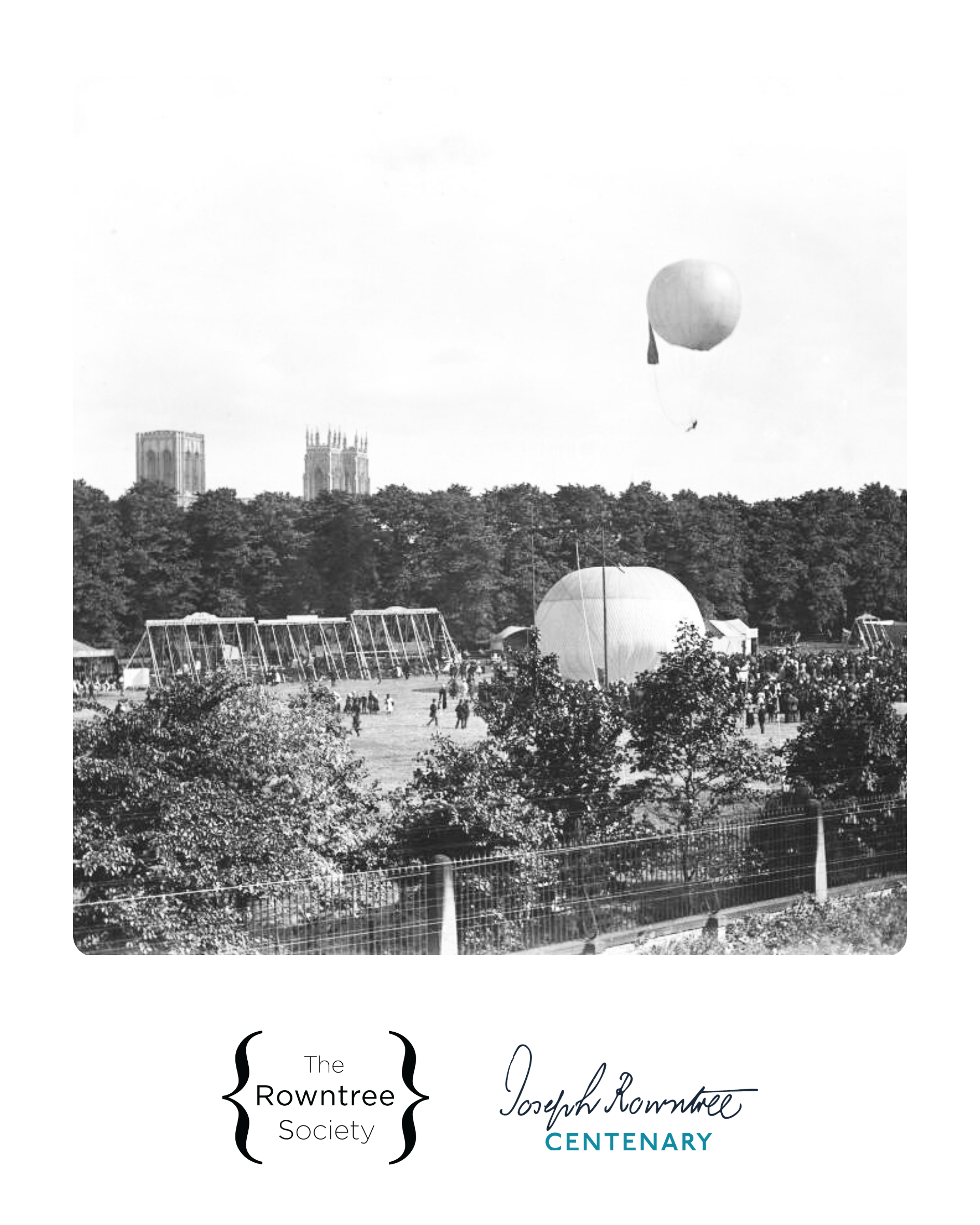
Joseph had a calm temperament and a kind attitude towards others. Guided by his Quaker faith he treated others as equals and encouraged them to address him by his first name. The memorial issue of the Cocoa Works Magazine describes an occasion when he discovered a large number of staff on the roof of the factory waiting for the balloon to go up on York Gala Day. He saw the humour of the situation saying “If the overlookers overlook it, I shall overlook it!

Image: York Explore


Support Us

Our work is enabled by grant funding from the Joseph Rowntree Foundation, the Joseph Rowntree Charitable Trust, and the Joseph Rowntree Reform Trust. If you would like to make a financial donation to further support our work, it is easy to pay online (with or without Gift Aid) by clicking the link below. You can get in touch with us about other ways of giving via info@rowntreesociety.org.uk

Donate

Cocoa Works Magazines

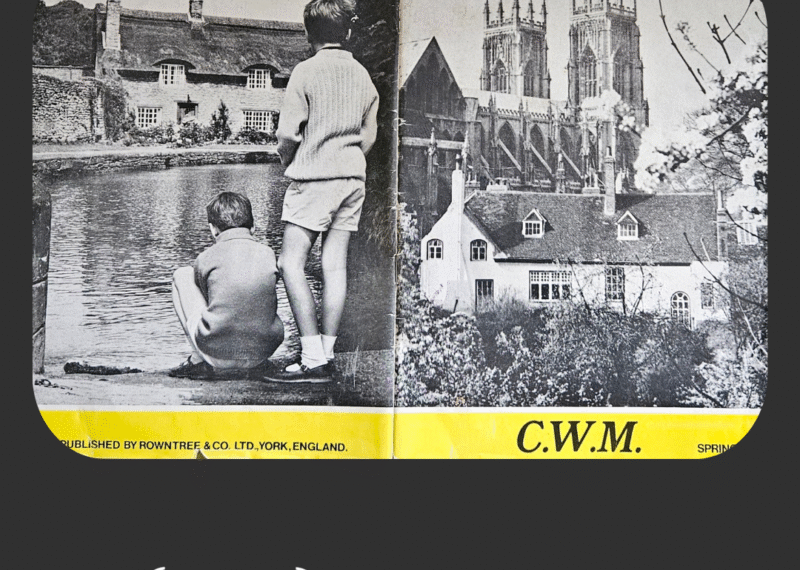
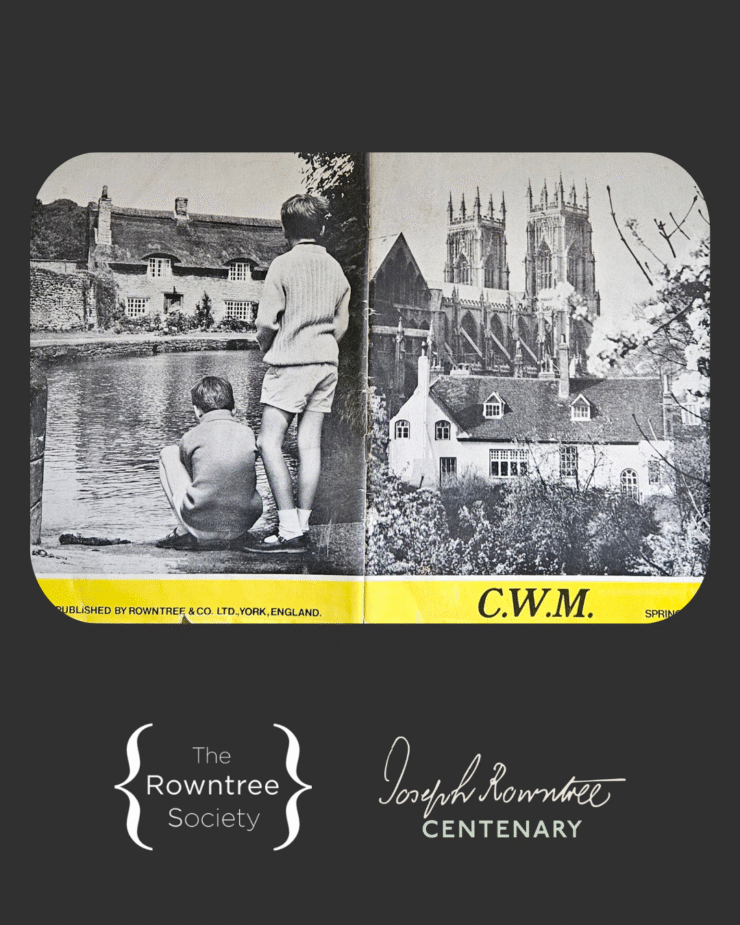
The Cocoa Works Magazine – known affectionately as the ‘CWM’ is one of the first magazines in England to be written just for factory staff. The first issue appeared in March 1902 and was introduced by Joseph as a means of maintaining communication between workforce and management at a time of rapid expansion for the company. Although a company publication, it was essentially about Rowntree people; their working, social, family and economic lives, their hobbies, holidays and the places in York that mattered to them. The CWM continued to be published until 1971 and today forms an invaluable social history resource.


Support Us

Our work is enabled by grant funding from the Joseph Rowntree Foundation, the Joseph Rowntree Charitable Trust, and the Joseph Rowntree Reform Trust. If you would like to make a financial donation to further support our work, it is easy to pay online (with or without Gift Aid) by clicking the link below. You can get in touch with us about other ways of giving via info@rowntreesociety.org.uk

Donate

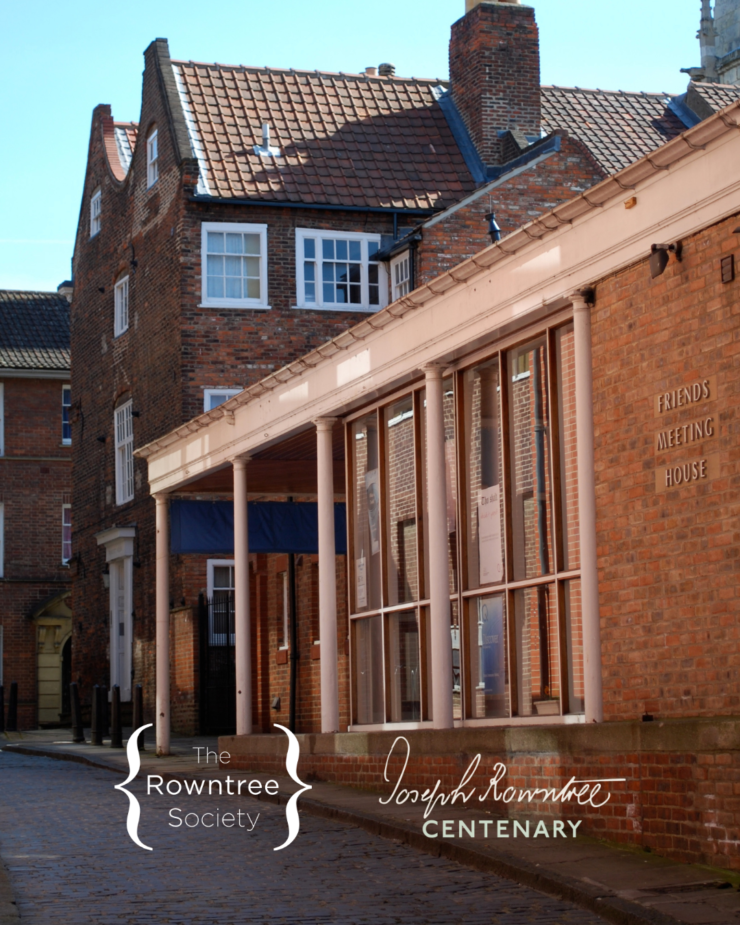
Friends Meeting House, Friargate

Joseph attended meetings at the Friends’ Meeting House on Friargate, the centre of Quaker worship in York. The third quarter of the seventeenth century was a difficult period and many York Quakers were imprisoned in the castle or persecuted. In spite of this, the Friends’ Meeting House was built in 1674 and is still in use today although it has undergone several redevelopments and Joseph would not recognise it. Notable York Quakers, including the Rowntree and Tuke families, played a leading role in striving to improve living and working conditions, and made important contributions to Quakerism nationally.

Support Us

Our work is enabled by grant funding from the Joseph Rowntree Foundation, the Joseph Rowntree Charitable Trust, and the Joseph Rowntree Reform Trust. If you would like to make a financial donation to further support our work, it is easy to pay online (with or without Gift Aid) by clicking the link below. You can get in touch with us about other ways of giving via info@rowntreesociety.org.uk

Donate

Joseph Rowntree’s Funeral

After Joseph Rowntree died on Tuesday 24th February 1925, his passing was marked by five memorial and funerary events across the weekend of 28th February to 1st March 1925.  These took place at Rowntree’s Cocoa Works factory, Friargate Friends Meeting House, the Quaker burial ground at the Retreat and New Earswick Folk Hall.  Across the weekend, thousands of people attended, over 50 organisations were represented, and the streets of York were lined with people paying their respects.  The scale of the funeral shows how influential and well-regarded he was in York, and nationally his importance was demonstrated by coverage in the Daily Mirror.

Image from originals held at the Borthwick Institute for Archives.
 

Support Us

Our work is enabled by grant funding from the Joseph Rowntree Foundation, the Joseph Rowntree Charitable Trust, and the Joseph Rowntree Reform Trust. If you would like to make a financial donation to further support our work, it is easy to pay online (with or without Gift Aid) by clicking the link below. You can get in touch with us about other ways of giving via info@rowntreesociety.org.uk

Donate