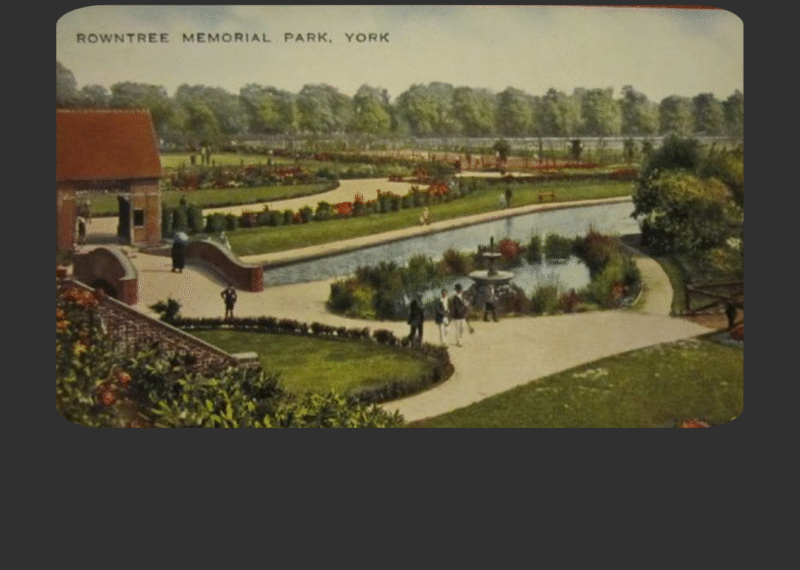
Rowntree Park

Rowntree Park was presented as a gift to the people of York by Joseph in 1921 as a memorial to the members of the Cocoa Works’ staff who fell in World War 1. In Joseph’s words this was to be a ‘quiet, restful memorial park’ rather than ‘another stone obelisk’. The architects were Fred Rowntree and W J Swain. The park was divided into formal and informal areas to reflect the Rowntree belief that facilities were available for all. The park is now owned and managed by York City Council and has an active group of supporters, who undertake much of the day to day maintenance – The Friends of Rowntree Park.

Support Us

Our work is enabled by grant funding from the Joseph Rowntree Foundation, the Joseph Rowntree Charitable Trust, and the Joseph Rowntree Reform Trust. If you would like to make a financial donation to further support our work, it is easy to pay online (with or without Gift Aid) by clicking the link below. You can get in touch with us about other ways of giving via info@rowntreesociety.org.uk

Donate

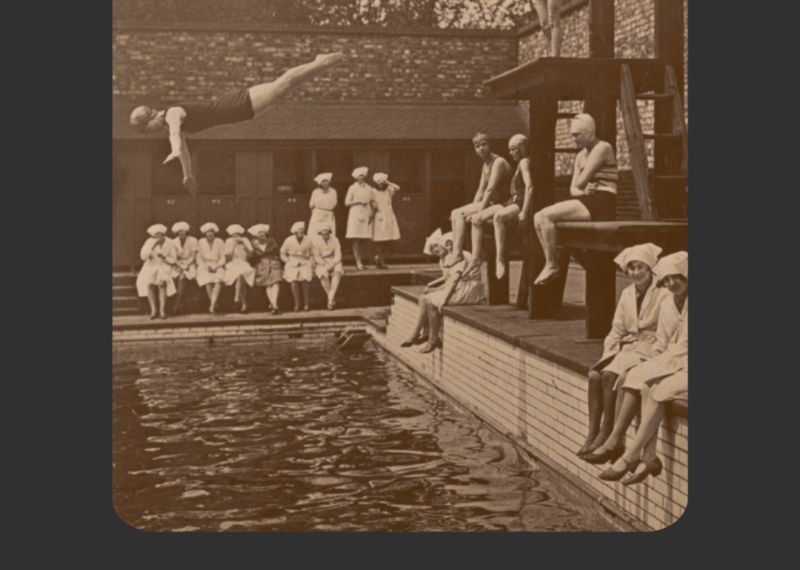
Yearsley Swimming Baths

The “New Yearsley Baths” were opened in 1909 and were gifted to the City of York by Joseph. It was a condition of his gift that admission should be free. The baths were designed by Fred Rowntree and were originally the Rowntree company swimming pool. Initially they were open air. The baths are now known as Yearsley Swimming Pool and are still in use by York residents today. Admission is no longer free but, fittingly, they are now owned by GLL, a charitable social enterprise.

Support Us

Our work is enabled by grant funding from the Joseph Rowntree Foundation, the Joseph Rowntree Charitable Trust, and the Joseph Rowntree Reform Trust. If you would like to make a financial donation to further support our work, it is easy to pay online (with or without Gift Aid) by clicking the link below. You can get in touch with us about other ways of giving via info@rowntreesociety.org.uk

Donate

Fred Rowntree

Fred Rowntree was a member of the Scarborough branch of the Rowntree family. He was an architect and closely associated with the Arts and Crafts movement. He played a key role in creating the enduring built environment in York pioneered by the family and was involved in design and building projects at the Cocoa Works; the Homestead; Rowntree Park; Yearsley Swimming Baths and Bootham and the Mount Schools. His company were also appointed architects to the West China Union University in Chengdu, Sichuan Province, China.

Support Us

Our work is enabled by grant funding from the Joseph Rowntree Foundation, the Joseph Rowntree Charitable Trust, and the Joseph Rowntree Reform Trust. If you would like to make a financial donation to further support our work, it is easy to pay online (with or without Gift Aid) by clicking the link below. You can get in touch with us about other ways of giving via info@rowntreesociety.org.uk

Donate

New Earswick Primary School

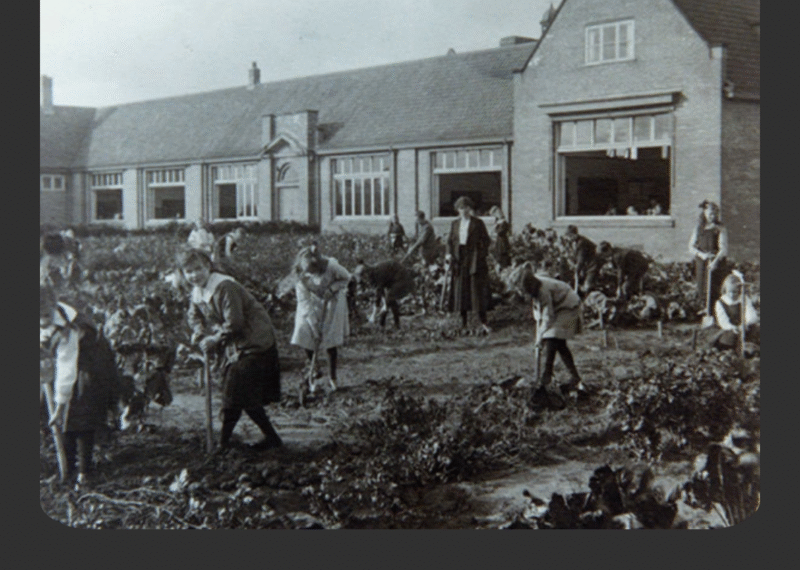
New Earswick Primary School formally opened in 1912. The pioneering design is spacious, light and airy with large south facing windows in line with the contemporary idea for open air schools. As with the rest of New Earswick, the school was designed by Parker and Unwin. The curriculum was based on the belief, strongly held by Joseph, that reading at an early age offers the best opportunity for children to learn for themselves. Boys and girls followed the same curriculum which was an innovative approach at the time. The school is still in use today, a testament to the good and enduring design promoted by the Rowntrees.

Support Us

Our work is enabled by grant funding from the Joseph Rowntree Foundation, the Joseph Rowntree Charitable Trust, and the Joseph Rowntree Reform Trust. If you would like to make a financial donation to further support our work, it is easy to pay online (with or without Gift Aid) by clicking the link below. You can get in touch with us about other ways of giving via info@rowntreesociety.org.uk

Donate

New Earswick Folk Hall

The Folk Hall occupied a prominent position at the centre of the village in planning for New Earswick. As the population grew there was a need for a meeting place that would form the centre of village social and religious life. Building began in 1906 and was completed in 1907 providing a multiuse space that could host a range of community activities and pastimes, including village stage productions for which it was fully equipped. An extension in the form of a hall was built in 1935 to enable the building to cater for larger events. Following a large-scale refurbishment in 2017, which opened up spaces whilst respecting the original Arts and Crafts design features, the Folk Hall continues to function as a busy community venue with a post office, library, café and space for professional meetings and events.

Support Us

Our work is enabled by grant funding from the Joseph Rowntree Foundation, the Joseph Rowntree Charitable Trust, and the Joseph Rowntree Reform Trust. If you would like to make a financial donation to further support our work, it is easy to pay online (with or without Gift Aid) by clicking the link below. You can get in touch with us about other ways of giving via info@rowntreesociety.org.uk

Donate

New Earswick

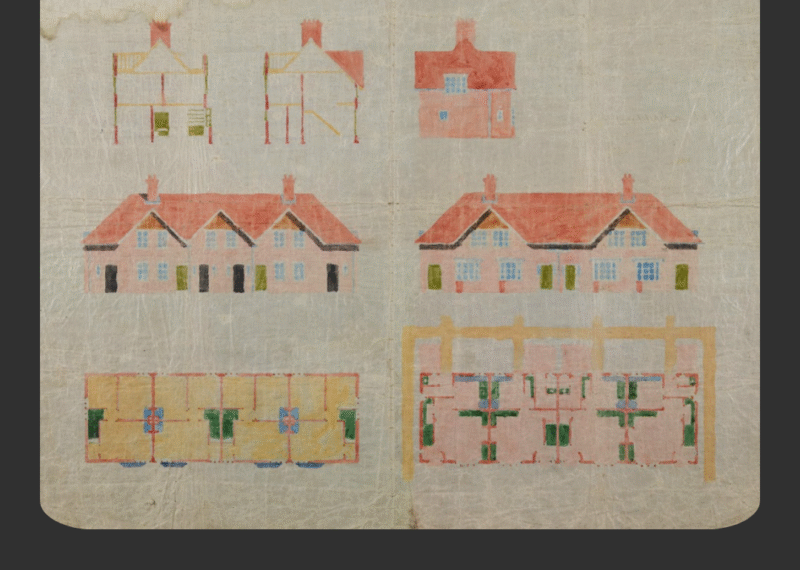
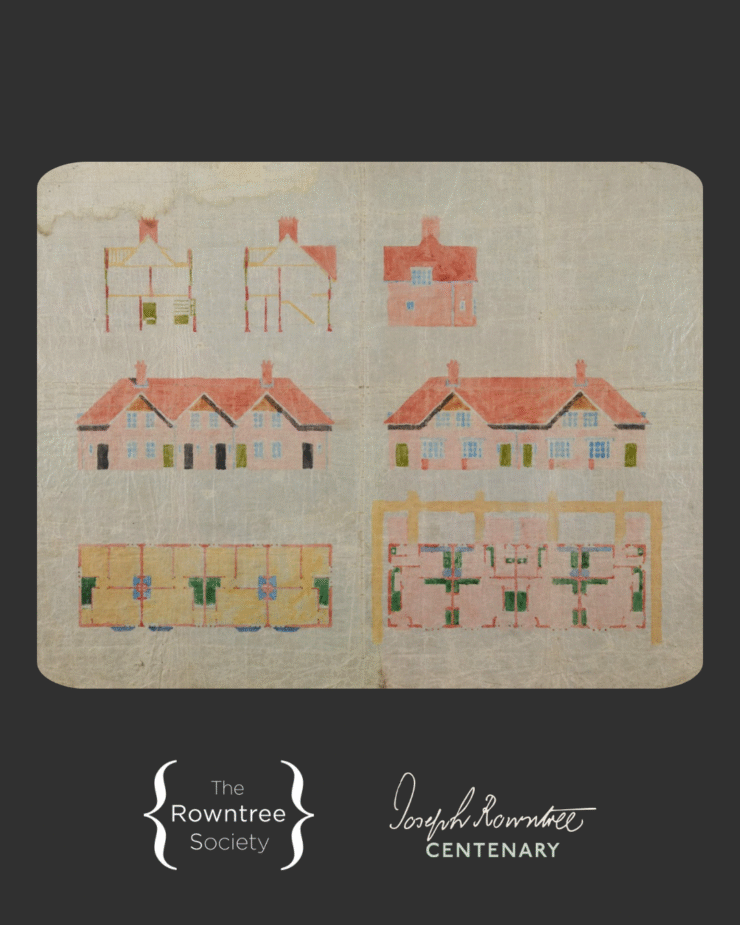
Joseph was able to turn his attention to another great issue that preoccupied him once the Cocoa Works was built and increasing in prosperity. He wanted to make a contribution to solving the housing problem. In 1901 a 150 acre site was purchased at New Earswick, two miles outside York and close to the Haxby Road factory, for £6000. Renowned Arts and Crafts architects, Barry Parker and Raymond Unwin were appointed in 1902. Their plan for the village implemented many of the ideas of the Garden Cities Association. These were to provide open green spaces and community facilities as well as houses. Joseph’s aim was to improve workers’ living conditions and help workers leave insanitary houses in the city which possessed some notable slums. Houses were available to workers in general, not simply to Rowntree employees. The village became a blueprint for other garden suburbs in the country and the vision that lay behind it still attracts international attention today.

Support Us

Our work is enabled by grant funding from the Joseph Rowntree Foundation, the Joseph Rowntree Charitable Trust, and the Joseph Rowntree Reform Trust. If you would like to make a financial donation to further support our work, it is easy to pay online (with or without Gift Aid) by clicking the link below. You can get in touch with us about other ways of giving via info@rowntreesociety.org.uk

Donate

Allotments Movement

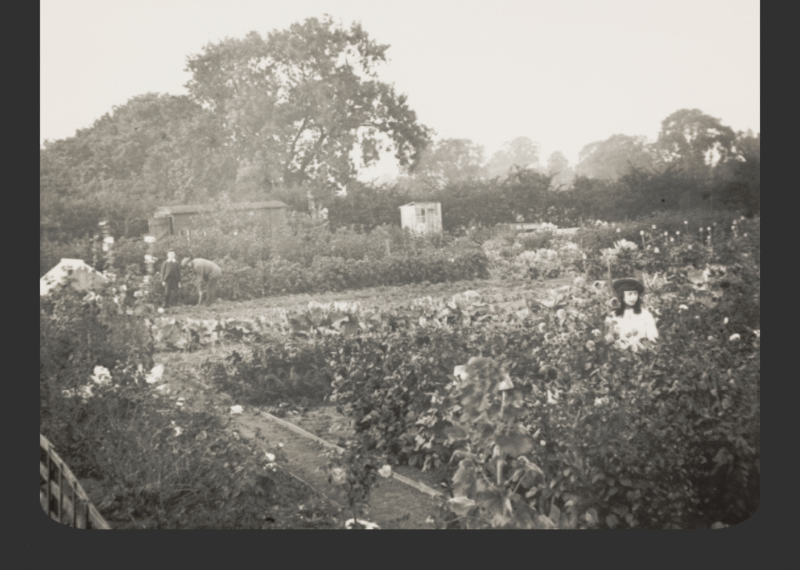
By the end of the nineteenth century providing space for allotments was known to be an effective way to tackle poverty. Allotmenteering was viewed positively by the upper classes as a form of ‘self-help’ rather than charity. Many landholders gifted land for this purpose. The Rowntrees followed this approach; generous provision for allotment land was made in their plans for New Earswick. The outbreak of the First World War brought new impetus as Britain was heavily dependent on food imports. The Rowntrees realised the implications of potential shortages and increased the amount of space available for allotments. In 1917 they also permitted women to become allotment holders, a progressive step which recognised the reality for many York families whose men were away fighting. At the end of the war more space was made available for soldiers returning so that they and female staff would not be competing. Other landowners, however, decided to reclaim the space that had been requisitioned during the war. Concerns about the impact of climate change, food provenance and security and interest in organic produce has led to the revival of interest in allotments since the 1990s and the National Allotments Society continues to represent the interests of UK allotment holders today.


Support Us

Our work is enabled by grant funding from the Joseph Rowntree Foundation, the Joseph Rowntree Charitable Trust, and the Joseph Rowntree Reform Trust. If you would like to make a financial donation to further support our work, it is easy to pay online (with or without Gift Aid) by clicking the link below. You can get in touch with us about other ways of giving via info@rowntreesociety.org.uk

Donate

The Borthwick Institute for Archives

The Borthwick Institute for Archives holds the largest collection of Rowntree archives in the world. These include records relating to the Rowntree company, family, Trusts and theatre as well as records relating to the family’s social research. The archives include letters and diaries; minute books; accounts; magazines; advertisements; audio and video recordings and photographs. The Borthwick was founded as part of the campaign to establish a university in York. The Borthwick Institute of Historical Research was the first of the institutes to be opened in May 1953 and it became a department of the university when it opened in 1963. The Borthwick moved to its current location adjacent to the Raymond Burton Library at the centre of the university campus in 2004 and opened to the public in January 2005.

Support Us

Our work is enabled by grant funding from the Joseph Rowntree Foundation, the Joseph Rowntree Charitable Trust, and the Joseph Rowntree Reform Trust. If you would like to make a financial donation to further support our work, it is easy to pay online (with or without Gift Aid) by clicking the link below. You can get in touch with us about other ways of giving via info@rowntreesociety.org.uk

Donate

University of York

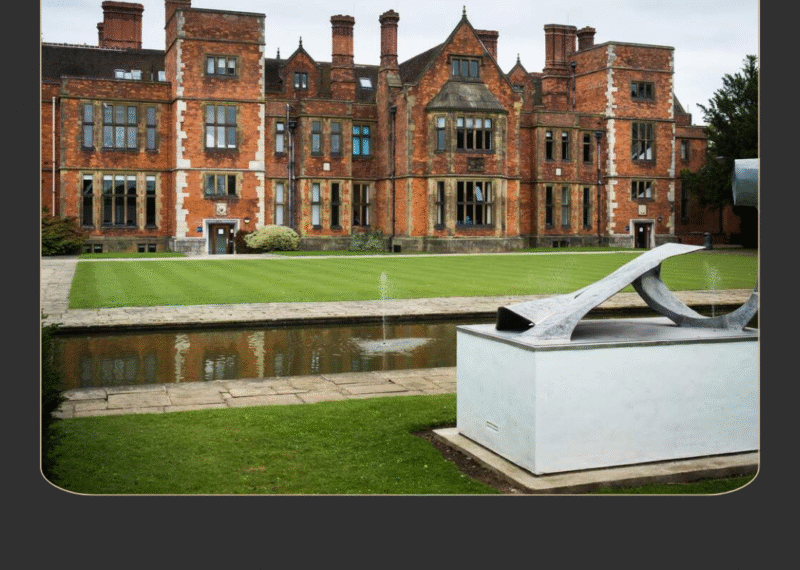
The campaign to found a university in York began in the 1940s and was insitigated by the same men who founded York Civic Trust in 1946. John Bowes Morrell, and Oliver Sheldon, both directors of Rowntree & Co, played key roles in the campaign. In March 1961 The JRRT/JRSST promised £150,000; the JRMT £100,000 and Rowntree and Co. Ltd promised £100,000 in grants payable over the first ten years of the university’s existence to assist it’s foundation. The JRSST/JRRT also made a separate gift to the university of Heslington Hall and its gardens and grounds – 17 acres in total. Several other company directors and trustees have held positions of responsibility in the University. A building in Social Sciences is named after Seebohm Rowntree.

Support Us

Our work is enabled by grant funding from the Joseph Rowntree Foundation, the Joseph Rowntree Charitable Trust, and the Joseph Rowntree Reform Trust. If you would like to make a financial donation to further support our work, it is easy to pay online (with or without Gift Aid) by clicking the link below. You can get in touch with us about other ways of giving via info@rowntreesociety.org.uk

Donate

The Homestead, Homestead Park and the Garden House

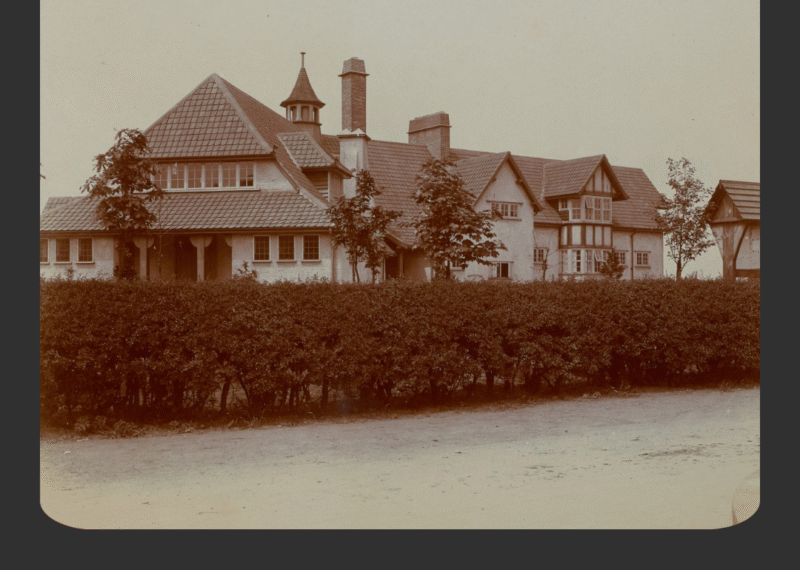
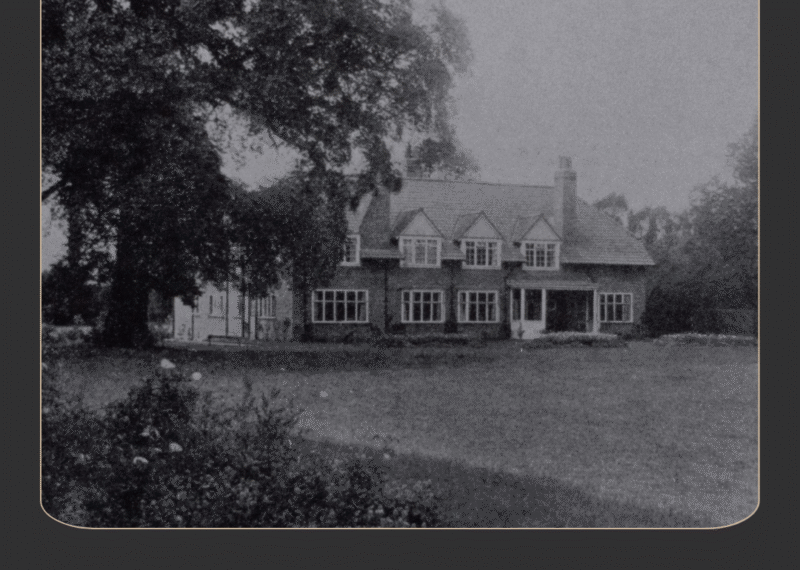
The Homestead is an Arts and Crafts house built by Seebohm Rowntree as his family home. The architect was Fred Rowntree, second cousin to Seebohm and a noted architect .In 1935 Seebohm directed his second poverty study of York , Progress and Poverty published in 1941, from here. On his departure the house was sold to the Joseph Rowntree Village Trust on condition that the gardens be maintained as a public park. Peter Rowntree, Seebohm’s son and a Rowntree company director, lived there as the trust’s tenant until 1978, following which the house was converted to the head office of Rowntree Mackintosh Ltd. In 1988 when Nestle took over Rowntree Mackintosh, the company offices moved back to Haxby Road and the Joseph Rowntree Foundation moved its main office into the Homestead. All three of the Rowntree trusts now have their offices on this site. The JRF continue to own and manage the gardens of Homestead Park as a public space.


Support Us

Our work is enabled by grant funding from the Joseph Rowntree Foundation, the Joseph Rowntree Charitable Trust, and the Joseph Rowntree Reform Trust. If you would like to make a financial donation to further support our work, it is easy to pay online (with or without Gift Aid) by clicking the link below. You can get in touch with us about other ways of giving via info@rowntreesociety.org.uk

Donate